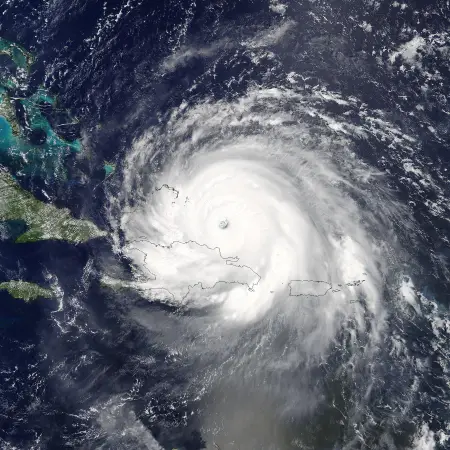
Hurricane Irma was one of the most powerful and destructive hurricanes ever recorded in the Atlantic Ocean. Forming on August 30, 2017, off the coast of Africa, Irma rapidly intensified into a massive Category 5 hurricane with sustained winds reaching 185 mph. The storm carved a devastating path across the Caribbean before turning toward Florida, prompting one of the largest evacuations in the state’s history.
As Irma moved through the Caribbean, it caused catastrophic damage to islands including Barbuda, Saint Martin, the British Virgin Islands, and the U.S. Virgin Islands. Entire communities were devastated by extreme winds, storm surge, and flooding. Millions of residents across the region lost power, communications, and access to basic services as recovery efforts began.
In Florida, residents watched closely as forecasts shifted throughout the week leading up to landfall. Emergency officials ordered evacuations for coastal areas and vulnerable communities. Highways became congested as millions of people sought safer locations inland or outside the state. Grocery stores, gas stations, and hardware stores experienced overwhelming demand as residents prepared for the storm’s arrival.
Irma’s Impact on Florida and the Road to Recovery
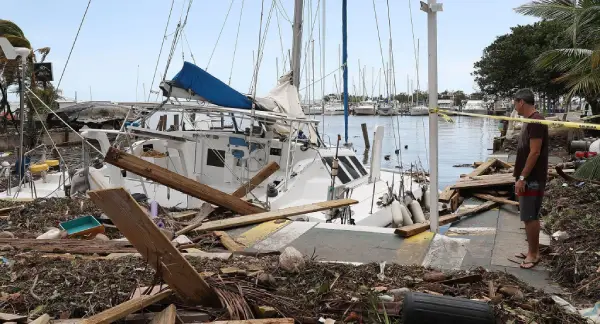
Hurricane Irma made landfall in the Florida Keys on September 10, 2017, as a Category 4 hurricane before moving northward through the state. The storm brought destructive winds, widespread flooding, storm surge, and tornadoes. Communities throughout South Florida, Southwest Florida, and Central Florida experienced significant damage to homes, businesses, infrastructure, and utilities.
The Florida Keys suffered some of the most severe impacts, with many structures damaged or destroyed. Coastal communities along both the Gulf and Atlantic coasts experienced flooding and storm surge. In Southwest Florida, including Fort Myers Beach, Sanibel Island, Cape Coral, and surrounding areas, residents faced extensive power outages, fallen trees, damaged roofs, and flooding. More than six million Floridians lost electrical service during the storm, making it one of the largest power outage events in U.S. history.
Following Irma, recovery efforts continued for months. Utility crews from across the country traveled to Florida to help restore power. Local governments worked to clear roads, repair infrastructure, and assist residents whose homes had been damaged. While Hurricane Irma eventually faded into history, it served as a powerful reminder of Florida’s vulnerability to major hurricanes and reinforced the importance of emergency preparedness, evacuation planning, and resilient construction in coastal communities.
Today, Hurricane Irma remains one of the most memorable storms to affect Florida during the modern era. Its immense size, widespread impacts, and the massive recovery effort that followed continue to be studied by meteorologists, emergency managers, and residents as they prepare for future hurricane seasons.