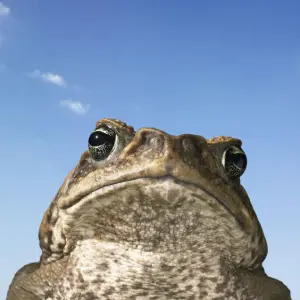
Cane toads have become a familiar sight throughout Southwest Florida, especially in neighborhoods, parks, golf courses, and near freshwater canals. Originally introduced to various parts of the world to help control agricultural pests, these large amphibians are not native to Florida. Over the years, they have established thriving populations across Lee County, Collier County, and other areas of South Florida. Cane toads are easily recognized by their large size, warty skin, and prominent poison glands located behind their eyes.
Unlike native toad species, cane toads can grow to more than nine inches in length and are most active after sunset. They are attracted to outdoor lighting that draws insects and can often be found around patios, driveways, and pet food bowls left outside overnight. Their ability to adapt to urban environments has helped them spread throughout many residential communities in the region.

One of the biggest concerns surrounding cane toads is the toxin they produce. When threatened, the toad can secrete a milky poison from glands behind its head. This toxin can be dangerous or even fatal to dogs and other pets if they pick up or mouth the toad. Pet owners in Southwest Florida are encouraged to supervise animals outdoors during the evening and early morning hours when cane toads are most active. If a pet comes into contact with a cane toad, immediate veterinary attention is recommended.
Despite their reputation, cane toads are generally not aggressive toward people and prefer to avoid confrontation. They feed on insects, small reptiles, and other available food sources. Residents who encounter cane toads should learn how to identify them correctly, as several native Florida toad species resemble them. Proper identification helps protect native wildlife while allowing homeowners to manage invasive cane toads responsibly. As Southwest Florida continues to grow, cane toads remain a notable part of the region’s changing ecosystem.